Nigerian Navy Secondary Schools Admission Process - How To Apply For NNSS
This post covers the general overview of admission process in to the Nigerian Navy Secondary Schools, And it serve as your final search on how to enroll your child in to the NNS school and everything you need to know.
Admission into Nigerian Navy Secondary Schools (NNSS) is a centrally coordinated process managed by the Directorate of Naval Education (DNE), Naval Headquarters. This process is primarily for entry into Junior Secondary School 1 (JSS 1) and is open to both military personnel's wards and civilians.
The 5-Step Application Procedure:
The admission process is standardized across all Nigerian Navy Secondary Schools and generally follows these five steps:
1. Purchase of Admission Form (Scratch Card) 💳
The first step is to obtain the official admission form.
Online: You can purchase the digital scratch card directly from the Directorate of Naval Education's Portal (e.g., nnedu.org or related payment portal).
Physical Outlets: Physical scratch cards may also be available at designated outlets, which usually include various NNSS campuses, Naval Bases, and DNE offices.
Payment: A non-refundable fee is paid for the scratch card, which contains the Serial Number and Personal Identification Number (PIN) required for online registration.
2. Online Registration and Form Submission 💻
Once you have the scratch card:
Visit the official Nigerian Navy Secondary School Admissions website.
Use the Serial Number and PIN from the scratch card to log in and start the registration process.
Fill the e-form accurately with the candidate’s personal, educational, and contact details. Ensure a valid GSM number and email address are provided, as they are used for updates.
Upload all necessary documents (e.g., passport photograph, birth certificate, etc.) as required by the portal.
Submit the completed form online.
3. Entrance Examination 📝
Admission is secured through a written entrance examination, which is centrally organized by the Directorate of Naval Education.
This exam tests the candidate's aptitude and knowledge in relevant primary school subjects.
Scheduling: The date, time, and venues for the examination are usually communicated to registered candidates via the portal or the contact details provided.
This exam is the most crucial stage in the Navy secondary schools admission, as applicant must pass it before been considered for the next stage
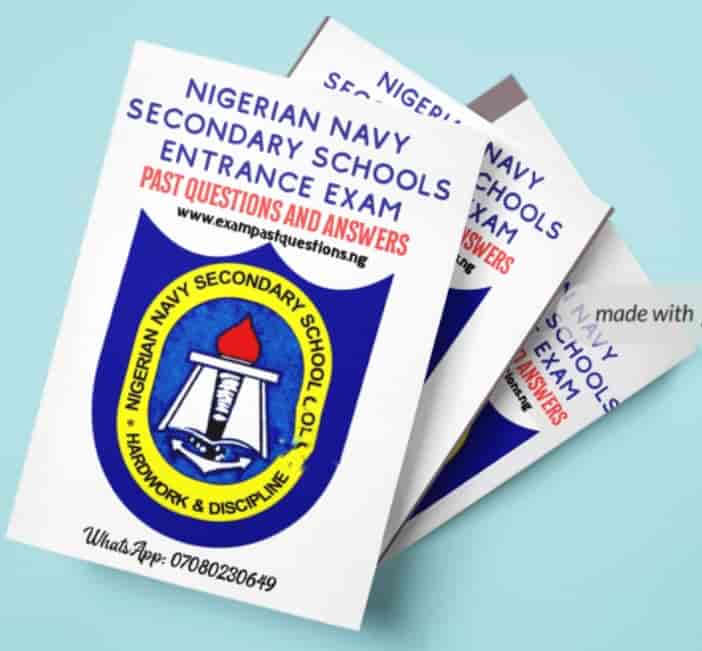
You can DOWNLOAD the Navy secondary schools entrance exam past questions and answers e-book below:
4. Interview/Screening Process 🗣️
Candidates who are successful in the written entrance examination will be shortlisted for an interview or screening exercise.
This stage is crucial for final selection and may involve a physical verification of documents and an oral interview.
Successful candidates are issued an Interview Docket and Letter, which can typically be printed from their dashboard on the admission portal.
5. Admission Letter and Acceptance ✅
The final selection decision is made by the Naval Headquarters through the DNE.
Provisional Admission: The list of successful candidates offered provisional admission is published on the official admission website.
Admission Letter: Successful candidates are required to download and print their admission letters and acceptance forms from the portal before a specified deadline.
Forfeiture: Failure to accept the admission and complete the necessary formalities by the stipulated date will result in the forfeiture of the provisional offer.
Nigerian Navy Secondary Schools Entrance Eligibility And Requirements
While the official application portal provides the definitive requirements for each academic year, key general eligibility criteria include:
Entry Level: The main admission is for JSS 1.
Age: Candidates for JSS 1 typically must fall within a specific age bracket, often 10-12 years old, by a specified date (usually September 30th) of the admission year. It is crucial to check the specific age requirement on the official portal for the current academic session.
Educational Background: Candidates must have successfully completed their Primary School Education.
The application is usually started in March every year.
Available Exams Past Questions & Answers PDFs You Can Download at Exampastquestions.ng:
By Mr. Solution